ESG Impact Report
HULU SELANGOR ADVENTURE RACE 2026
Executive Summary
This report quantifies the carbon footprint reduction achieved through the procurement of MedaLAB Bamboo Medals as a direct alternative to industry-standard Zinc Alloy (Zamak-3).
By optimizing material selection at the source, this order has achieved a verified reduction in upstream carbon intensity.
Baseline Impact (Zamak-3): 17.8987 kg CO₂e
MedaLAB Impact (Bamboo): 0.86 kg CO₂e
NET CARBON AVOIDED: 17.0387 kg CO₂e
EFFICIENCY GAIN: 95.2% Reduction
Report Ref No:
RP1301-INV260201
Report Date:
Thursday, 4th June 2026
Client Name:
Pinnacle Sports
Medals Ordered:
50 Pcs
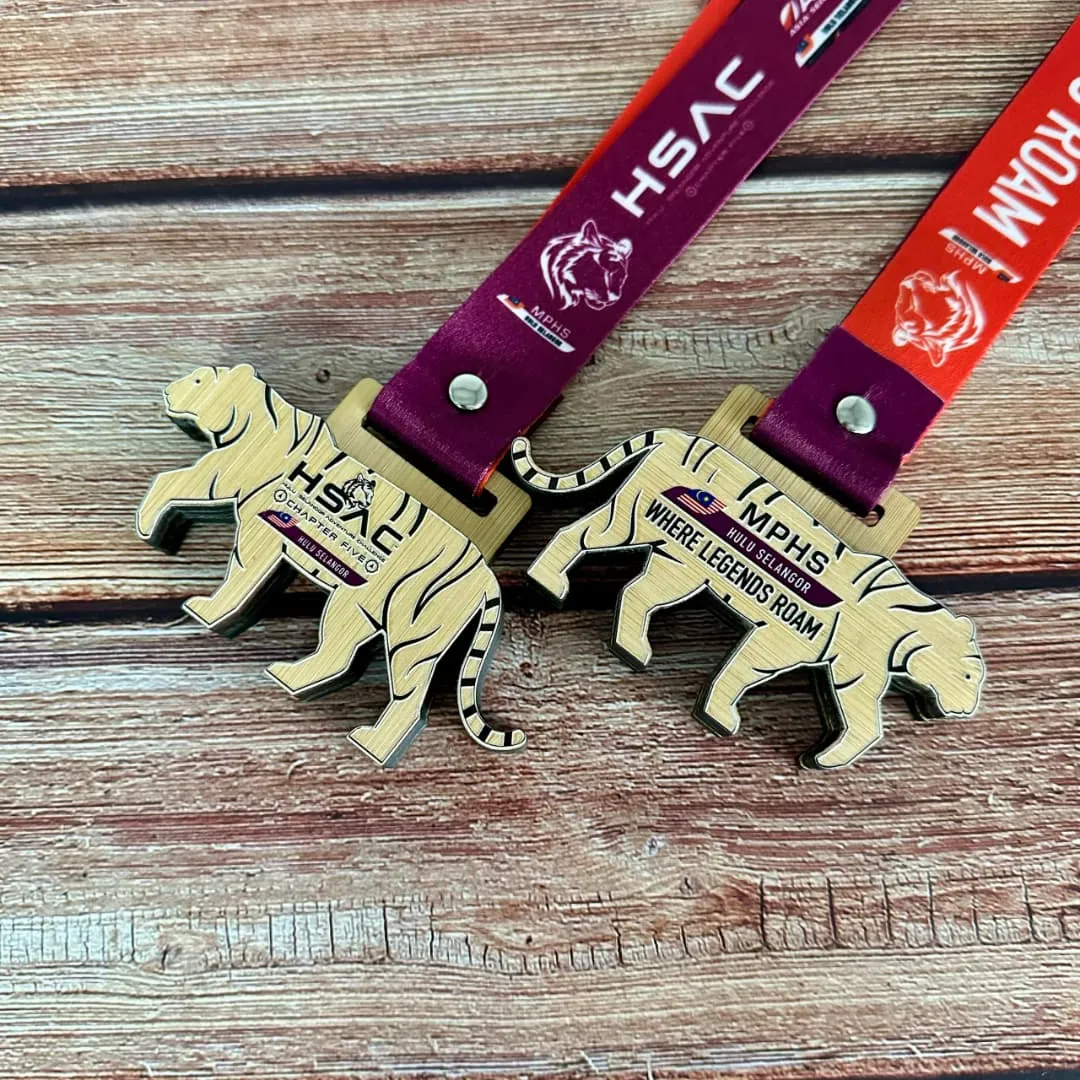
Hulu Selangor Adventure Race 2026
2. MATERIAL COMPARATIVE DATA
Calculations derived from the Material & Disposal Calculator developed by Suscico, a 3rd party sustainability consultant.
| MEDAL TYPE | Raw Material Extraction (kg CO₂e) | Landfill Impact (kg CO₂e) | Total Material Impact |
|---|---|---|---|
| Conventional Zinc Alloy Medals (Zamak-3) | 17.805 | +0.0937 | 17.8987 |
| ESG Bamboo Medals | 1.2085 | -0.3485* | 0.86 |
| NET DIFFERENTIAL | -16.5965 | +0.4422 | -17.0387 |
*Negative value reflects carbon sequestration: the bamboo fiber retains CO2 absorbed during its growth phase even at end-of-life.
3. ENVIRONMENTAL EQUIVALENCY
The 17.0387 kg CO₂e esaved through this procurement choice is equivalent to:
70
Kilometers driven by an average gasoline-powered passenger vehicle.
1373
Smartphones charged from 0% to 100%.
0.3
Tree Seedlings grown for 10 years to reach the same sequestration level.
4. UNITED NATIONS SDG ALIGNMENT
This procurement choice directly contributes to the following UN Sustainable Development Goals:
Eliminating reliance on finite mineral extraction and toxic electroplating. By utilizing rapidly renewable bamboo, you support a circular economy and reduce hazardous waste generation at the manufacturing source.
A verified avoidance of 102.23 kgCO2e represents a tangible decarbonization tactic for the Scope 3 (Purchased Goods) inventory, decoupling event rewards from high-emission industrial smelting.
Sourcing from managed bamboo plantations that prevent soil erosion and promote reforestation. This offers a regenerative alternative to the land degradation and habitat loss inherent in open-pit zinc mining.
3. REPORTING BOUNDARY & METHODOLOGY
To maintain data integrity and audit-readiness, this report utilizes a Material-Specific Boundary. This approach eliminates variable “noise” and focuses strictly on the delta between raw material choices.
Included in Scope:
Upstream Extraction: Carbon cost of raw material harvesting/mining and primary smelting/processing.
End-of-Life (S1): Standardized landfill emission scenarios, accounting for carbon sequestration in organic biomass (Bamboo) vs. inert metallic mass (Zamak-3).
Excluded from Scope:
Manufacturing Energy: Variable heat/power used in secondary fabrication.
Logistics: Downstream transport from MedaLAB to client (excluded due to high variability in delivery channels and locations).